
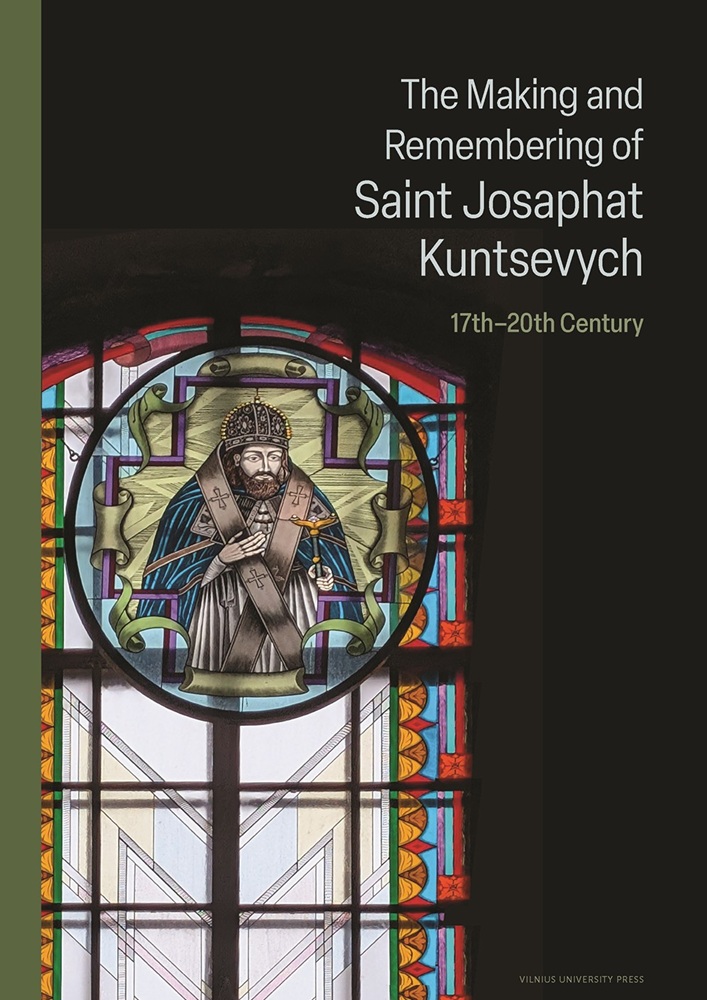
This paper traces the origins of the iconography of Josaphat Kuntsevych to the early adoption of the Baroque aesthetic on the part of the Ruthenian Uniate Church, following the Union of Brest of 1595. Beatified in 1643, Kuntsevych’s iconography developed, on the one hand, along the iconographies of Catholic ecclesiastical martyrs who suffered a similar manner of death (struck by blades/axes/knives) – such as St. Peter of Verona – but also alongside the iconography of a copy of the revered Ruthenian icon – Our Lady of Zhyrovichy – found in Rome at the national church of the Ruthenian ‘nation’, SS. Sergio e Bacco. The Roman copy of the Marian icon was known as the Madonna del Pascolo, and its own early iconography parallels the developments seen in the early printed images of then-Blessed Josaphat. At some point, after Josaphat’s canonization of 1867, the established Early Modern iconography of the Ruthenian martyr started to change yet again, moving away from the Baroque drama of his gruesome death to that of an Eastern-rite bishop without any traces of violent death and only with a palm branch to suggest his martyrdom. Thus, a new, modern (and present) chapter in the iconographic development was opened.

Šis darbas apsaugotas Creative Commons priskyrimo 4.0 viešąja licencija.