
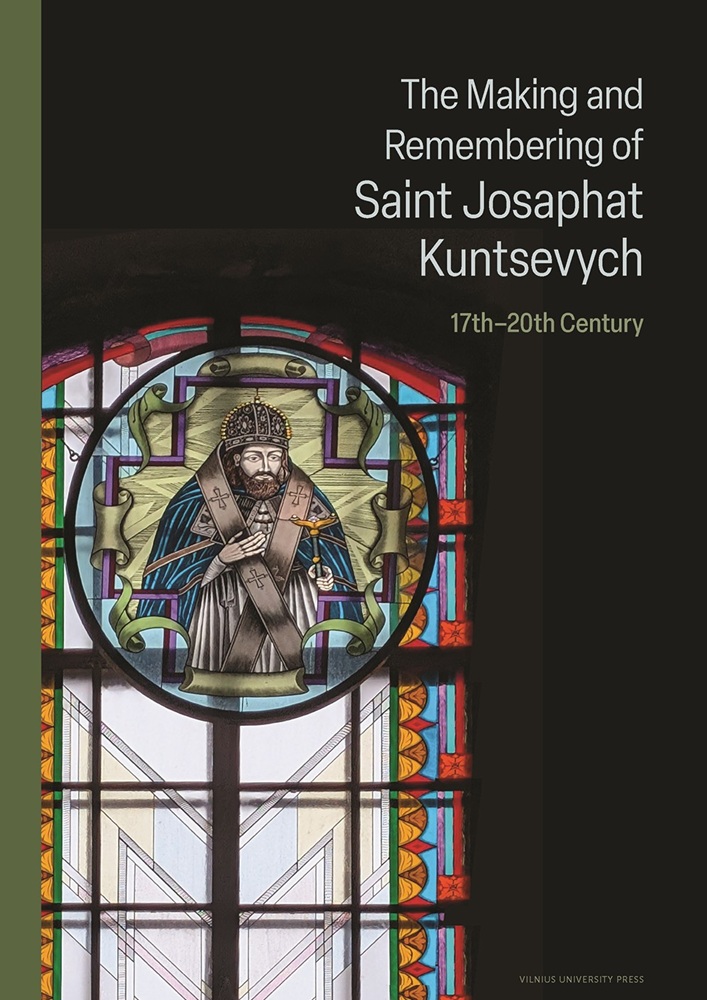
The images of Josaphat Kuntsevych in churches, as well as their veneration, were important factors not only for the survival of the cult of the martyr himself but also for the overall development of the Uniate Confession. However, to date, no comprehensive studies have been done on the spread of such images in either Uniate or Roman Catholic shrines. After 1839, the vast majority of altarpieces and other images dedicated to St. Josaphat were destroyed or repainted – thus ‘hiding’ the image of the martyr under the guise of another saint. As a result, few authentic altarpieces of Josaphat have survived. The main source of information about these former altarpieces and other types of images of Josaphat are the visitation records and other written documents from parish churches and monasteries. The article summarizes source data concerning the veneration of Josaphat’s images in the most famous Basilian churches within the Lithuanian Basilian province during the 17th and 18th centuries, i.e., before his official canonization. Due to the extremely large number of Uniate churches which existed, the uneven survival of their documents, and the limited scope of the article, it has not yet been possible to prepare a comprehensive and in-depth study of all the images of St. Josaphat which were located in the Uniate churches in Lithuania. The article focuses primarily on those churches which Josaphat was more or less associated with during his lifetime.

This work is licensed under a Creative Commons Attribution 4.0 International License.