
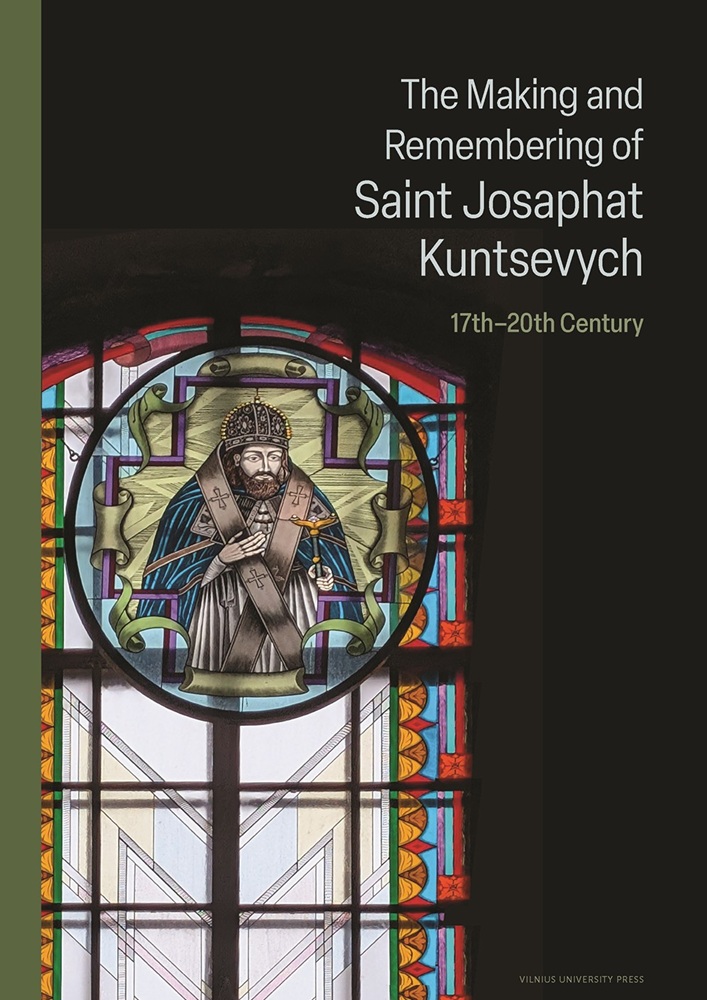
The article examines the lengthy process leading up to the canonization of Josaphat Kuntsevych, a process which lasted over two centuries, from his beatification in 1643 to his canonization in 1867. It delves into the various challenges and efforts involved, including political barriers, financial hurdles, and ecclesiastical procedures. Key individuals such as Bishop Yakiv Susha, Father Hieronim Kajsiewicz, and Hieromonk Teodoro Toscani were actors in advancing Kuntsevych’s cause. The article outlines the significant revival of these canonization efforts in the mid-19th century, spearheaded by the Polish Congregation of the Resurrection and the Italian Basilians of Grottaferrata. It also highlights Pope Pius IX’s crucial role in managing the political and religious intricacies associated with the canonization. The process culminated in a solemn ceremony on 29 June 1867, which coincided with the 1,800-year anniversary of the martyrdom of Saints Peter and Paul. The study further discusses the subsequent three-day celebrations in Rome, Grottaferrata, and Lviv, illustrating the extensive veneration which occurred for Saint Josaphat Kuntsevych throughout the Catholic Church. Through detailed documentation and analysis, this article provides a thorough understanding of the canonization process, highlighting its significance within the religious and historical context of the period.

This work is licensed under a Creative Commons Attribution 4.0 International License.