
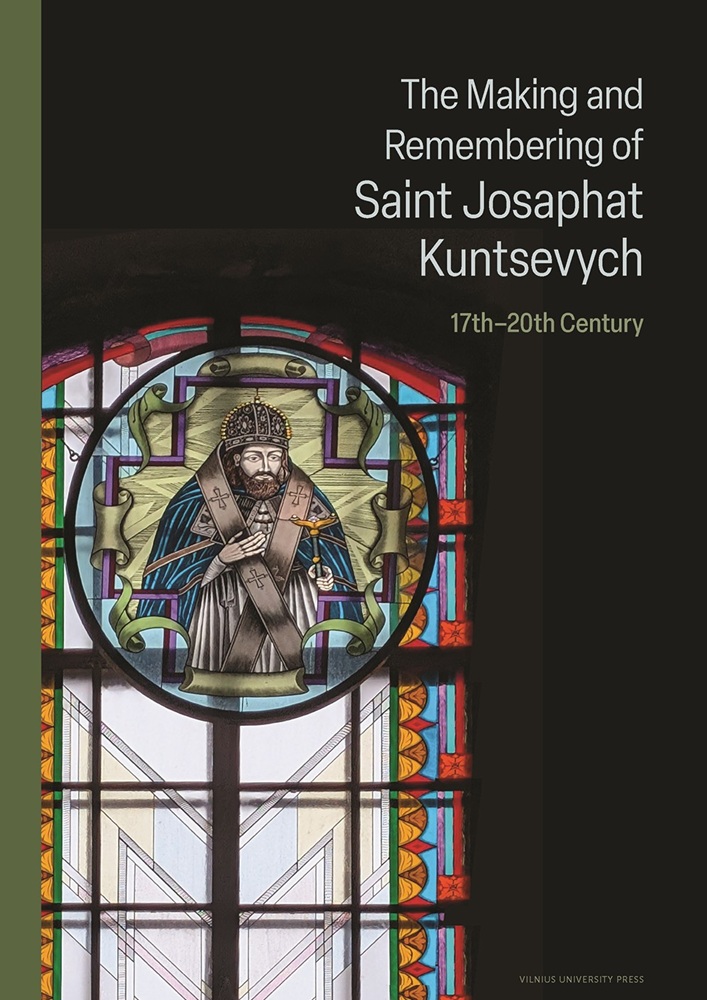
The contribution argues that Tryumph duchowny, one of the earliest hagiographic pieces devoted to Josaphat Kuntsevych, dwells on those facts known from the records of the first local investigation, which was conducted in Polatsk and Vitsyebsk in 1628, concerning the process for the recognition of his sanctity; thus it must have been composed shortly after the conclusion of this process. The poem, which has been analysed here for the first time in the context of hagiographic practices and writings, explores the militant metaphors used in relation to sanctity, yet it differs slightly from the epic model of hagiographic poetry and has similarities with the concept of the sermon. Apart from the poem’s hagiographic goal, it aimed to eulogize the Tyszkiewicz house, which was also involved in Josaphat’s saint-making and which apparently also supported the poet Aleksander Walenty Szlachtowicz, the rather obscure Ruthenian author who is profiled here.

This work is licensed under a Creative Commons Attribution 4.0 International License.