
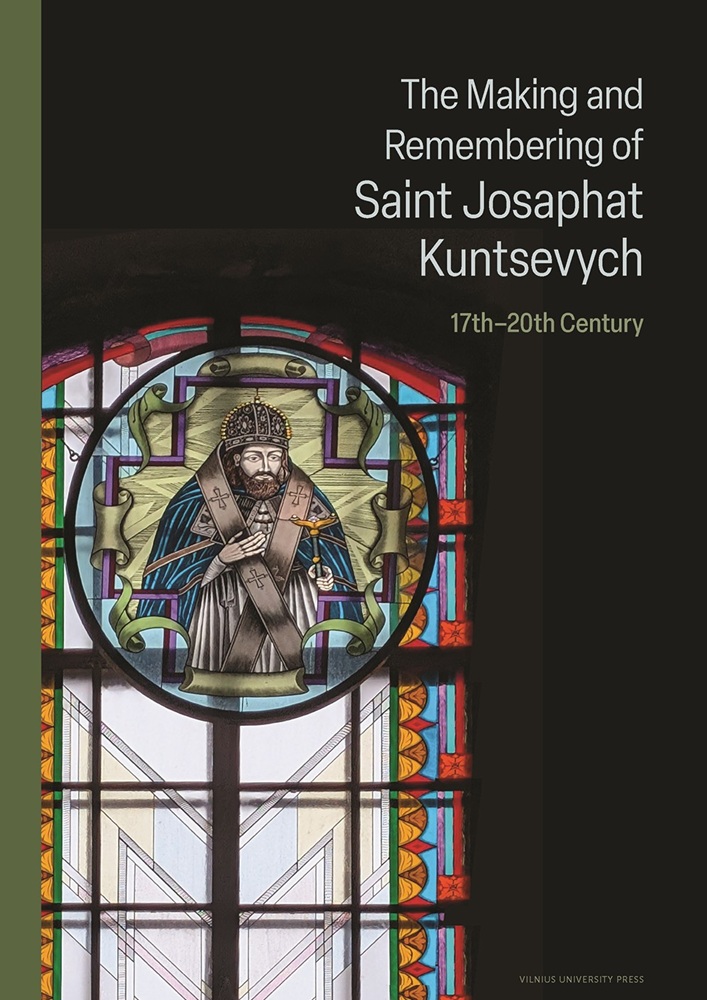
The subject of the article is the earliest images of the Uniate martyr Josaphat Kuntsevych and their influence on the later development of the martyr’s iconography. The article considers what things were being emphasized in the earliest known of those graphic portraits of the martyr which included a coat of arms or scenes of martyrdom, what elements were used in his later images, and how these images related to Kuntsevych’s true likeness. The origin of these early images of the martyr is investigated by using the broader context of the images created in Vilnius at that time, and explored through an attempt to identify the wood carver who worked in Vilnius on Kuntsevych’s images during the first quarter of the 17th century. The later development of these works is examined through the copper engravings produced by Claes Jansz Visscher, an engraver and publisher who worked in Amsterdam, where these types of engravings attained the form of professional art.

This work is licensed under a Creative Commons Attribution 4.0 International License.