
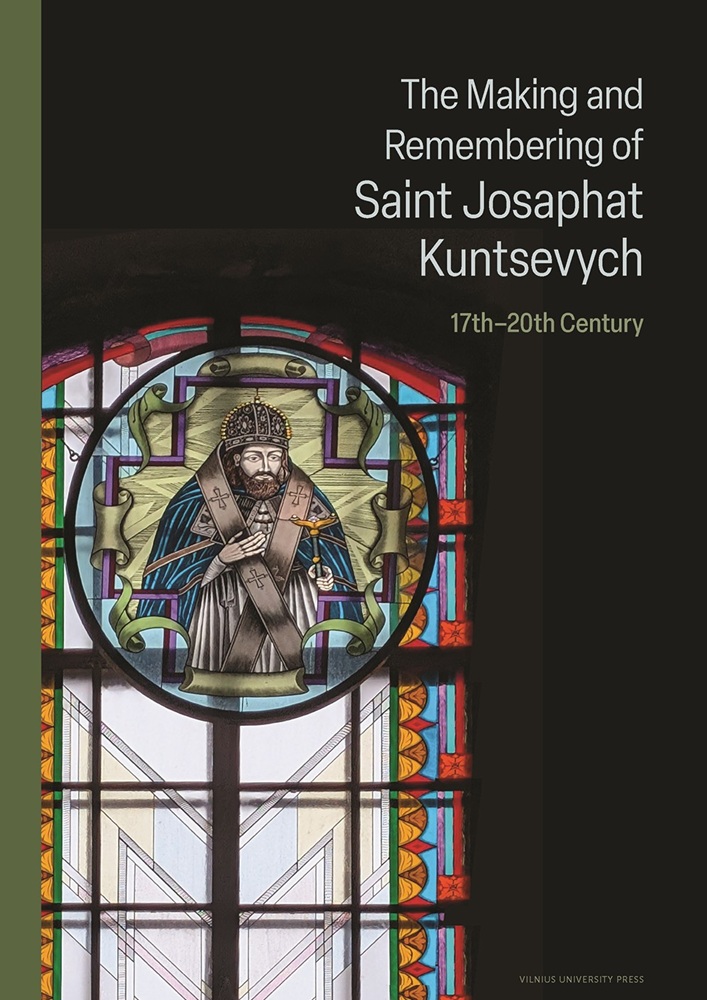
The fact that Josaphat Kuntsevych was only beatified in 1643 rather than canonized, which only occurred much later, was, and still is, considered a disappointment by many. Placed in the context of the longer-term developments in the Roman canonization policy, however, the beatification of Kuntsevych in 1643 can certainly be seen as a success. To illustrate this point, the chapter outlines the general framework in which the efforts to canonize Josaphat took place. The centralization of decision making in Rome, bureaucratization, and juridification, but also the need to accept regional diversity – these were the tendencies that shaped the canonization process and its regulation during the first decades of the 17th century. A look at the figures makes it clear how low the chances of canonization, or even beatification, actually were during these decades. Nevertheless, Josaphat’s advocates succeeded in setting the beatification process in motion very quickly; their rapid success could only have been achieved at the expense of the still-new regulations issued by Pope Urban VIII. In light of these findings, this question should be reversed – it is the reasons for the success of the year 1643 campaign, regarding Poland, the Church Union of Brest, but it is also the image policy of the Barberini family, which deserve our attention.

This work is licensed under a Creative Commons Attribution 4.0 International License.