
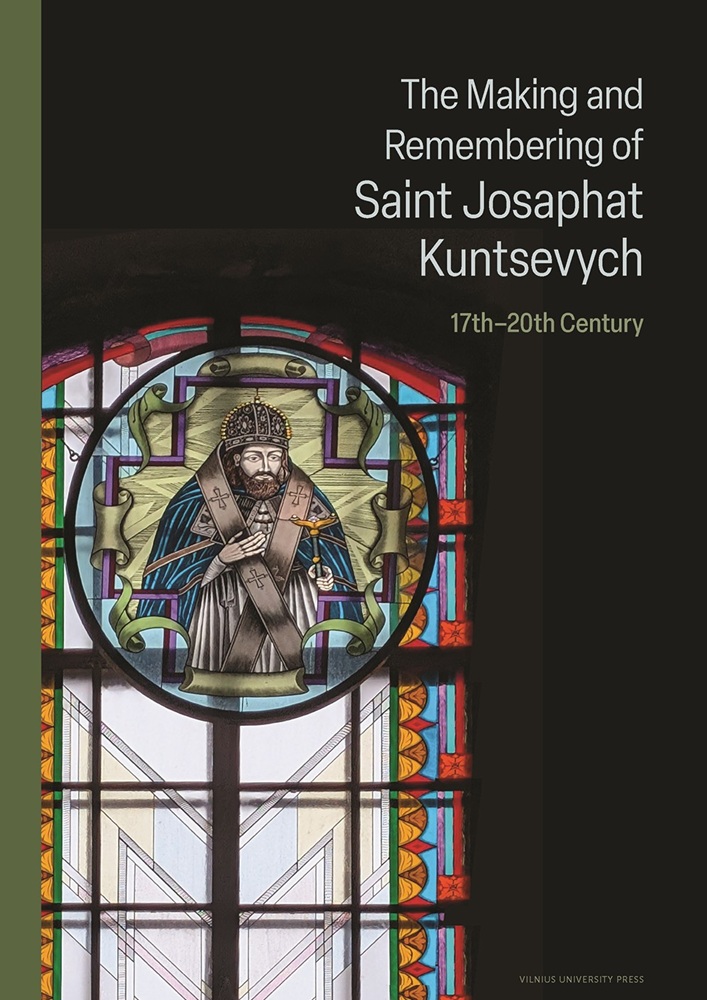
The article examines the situation of Vitsyebsk City’s community in the first years following the murder of Josaphat Kuntsevych (1623–1641), Archbishop of Polatsk. The present study is aimed at investigating the events surrounding the murder from a different perspective, namely, that of the townspeople themselves, including the opponents and supporters of the Archbishop of Polatsk. Following the murder of Josaphat Kuntsevych on 12 November 1623, the rights previously held by the city of Vitsyebsk under the Magdeburg Law were revoked. For a period of two decades after the revocation, the jurisdiction of the ziemski court became responsible for all municipal affairs. Meanwhile, daily life in the city continued uninterrupted. Indeed, the relatives of those who had participated in the violent events of November 1623 remained resident in Vitsyebsk, compelled to adapt to the new conditions. The reverberations resulting from this high-profile event in 1623 marked themselves indelibly on the documentation of the judicial institutions of Vitsyebsk. These documents have been preserved to the present day and offer an exceptional opportunity to reconstruct the life strategies of the diverse social groups in the city during the initial two decades following the murder. The sequence of events which took place in Vitsyebsk is to be considered within the broader context of a series of European wars, including the Thirty Years’ War (1618–1648), a major European conflict in which religious factors played a key role.

This work is licensed under a Creative Commons Attribution 4.0 International License.