
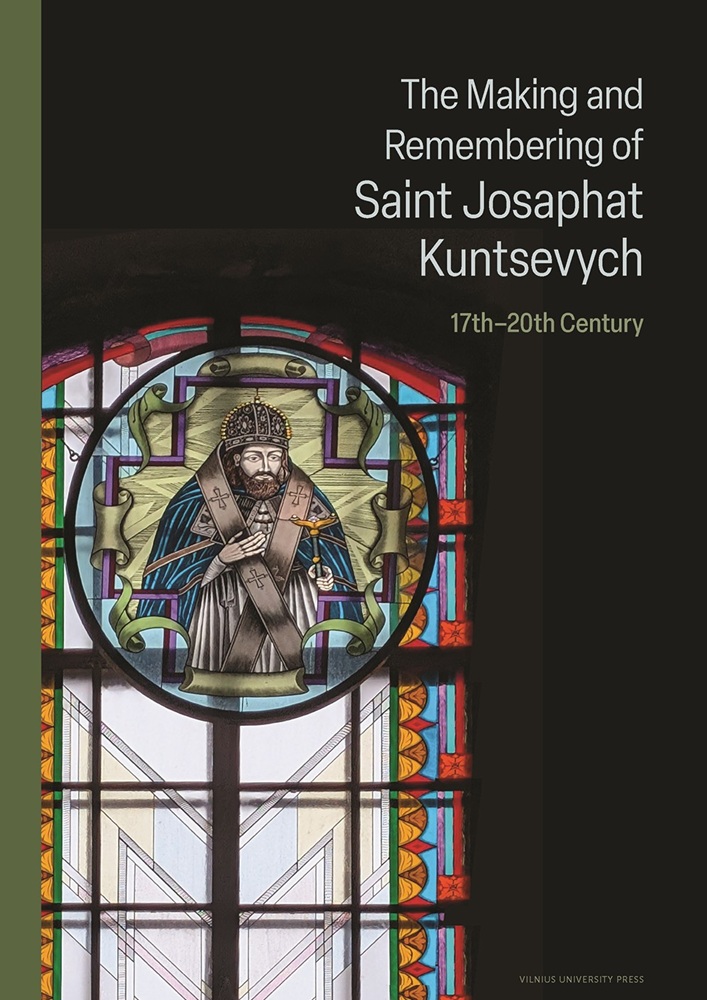
The paper examines the regional and local scale of the cult of Josaphat Kuntsevych during the 17th and 18th centuries. As one of the beati moderni, the cult of Blessed Josaphat Kuntsevych was granted official recognition for the Basilians, as well as for believers within the Kyivan Uniate Metropolitanate and across the Polish-Lithuanian Commonwealth. It was only after his canonisation in 1867 that all restrictions on its spread were lifted; a visible sign of this universal acceptance was the transfer of his relics to the Basilica of Saint Peter in Rome. The introduction traces the mechanisms, strategies, and actors involved in shaping Kuntsevych’s image both as a confessional and as a transnational saint, situating these dynamics within the historiography of and contributions to this volume.

This work is licensed under a Creative Commons Attribution 4.0 International License.