
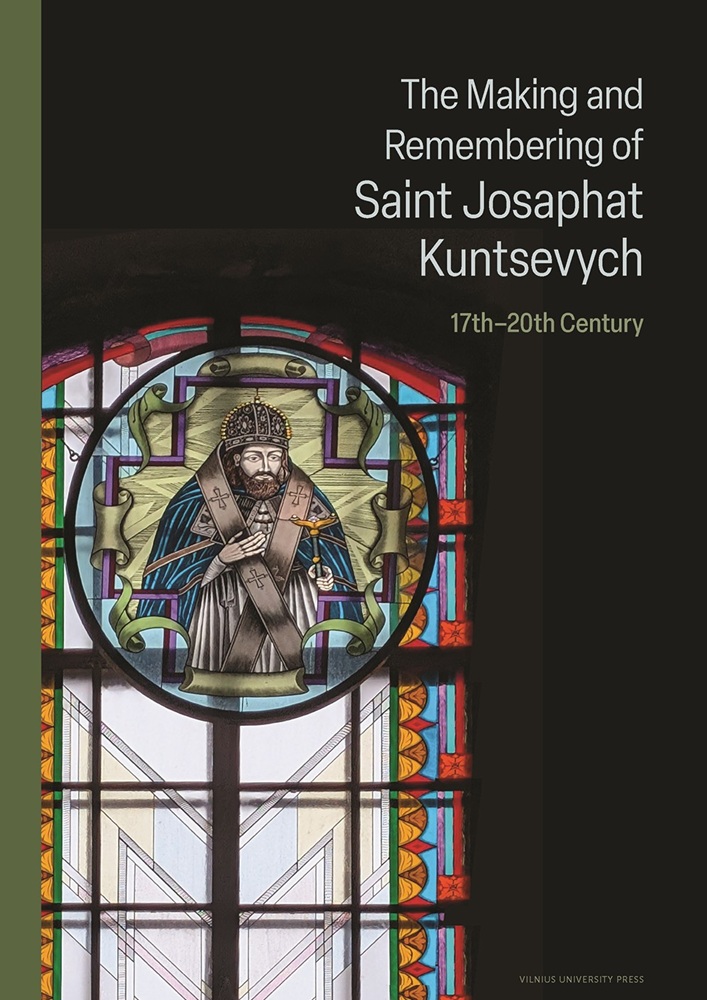
The article raises the question as to whether it was a coincidence that three saints of phenomenal significance to Lithuanian historical memory emerged specifically during the first half of the 17th century: St. Casimir was canonized in 1602, while two other martyrs of the era, St. Josaphat and St. Andrew Bobola, would be canonized later. The following question is posed: Are not these saints related to the ‘golden age’ of old Lithuania – the Grand Duchy of Lithuania – which existed neither before nor after it? The paper considers to what extent the first half of the 17th century, also known as the Vasa epoch, could justifiably be regarded as the age of civilizational progress in Lithuania, and whether it is not related to the aforementioned phenomena of historical memory.

Šis darbas apsaugotas Creative Commons priskyrimo 4.0 viešąja licencija.