
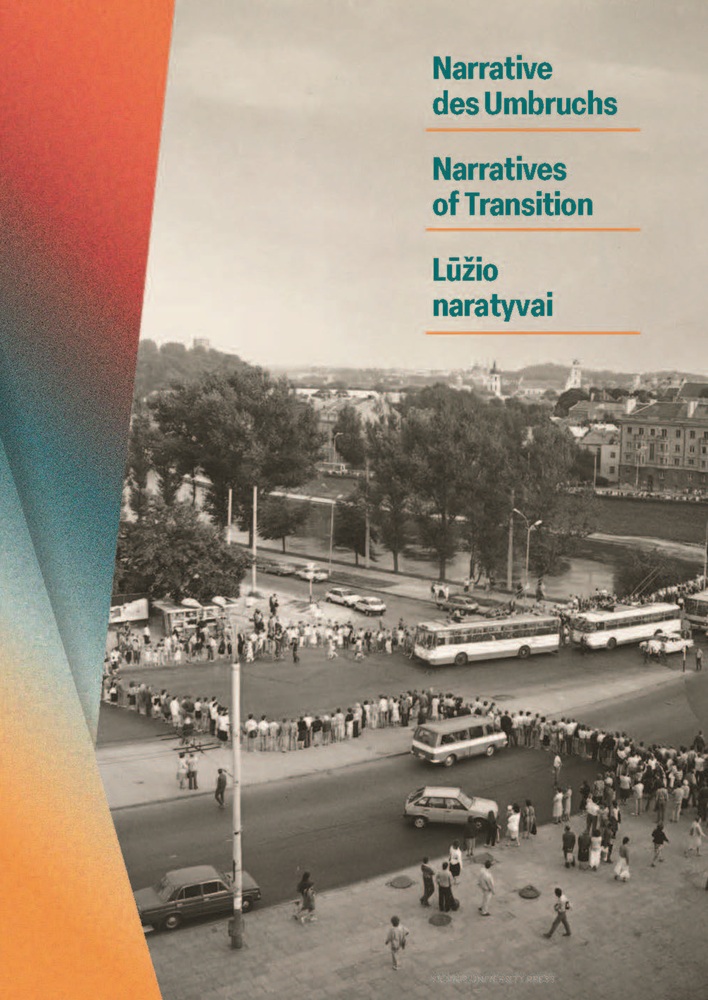
The changes that have taken place in the course of the major transformations within post-Soviet societies in the Baltic Sea region since 1989 are undeniably impressive. Yet, as processes of convergence and adaptation have advanced, the initial momentum toward adopting the Western societal model appears in some places to be weakening. This may be attributed, on the one hand, to the successes already achieved and, on the other, to an erosion of the European Union’s integrative capacity.
The question of whether transformation can ever be considered complete is therefore open to both positive and negative interpretation: either as a successful integration of new member states into the EU, or as the risk of political actors and social groups turning away from unresolved challenges and from democratic and rule-of-law principles.
How should we assess the historicity of our current era? What role might a shared European memory or historiography play in this regard? And how might the knowledge generated through the transformations in the EU member states that joined in 2004 be transferred into the broader pan-European discourse?

This work is licensed under a Creative Commons Attribution 4.0 International License.