Partisanen der Transformation – ressentimentale Dissidenz und Radikalisierung nach 1989 in der Gegenwartsliteratur

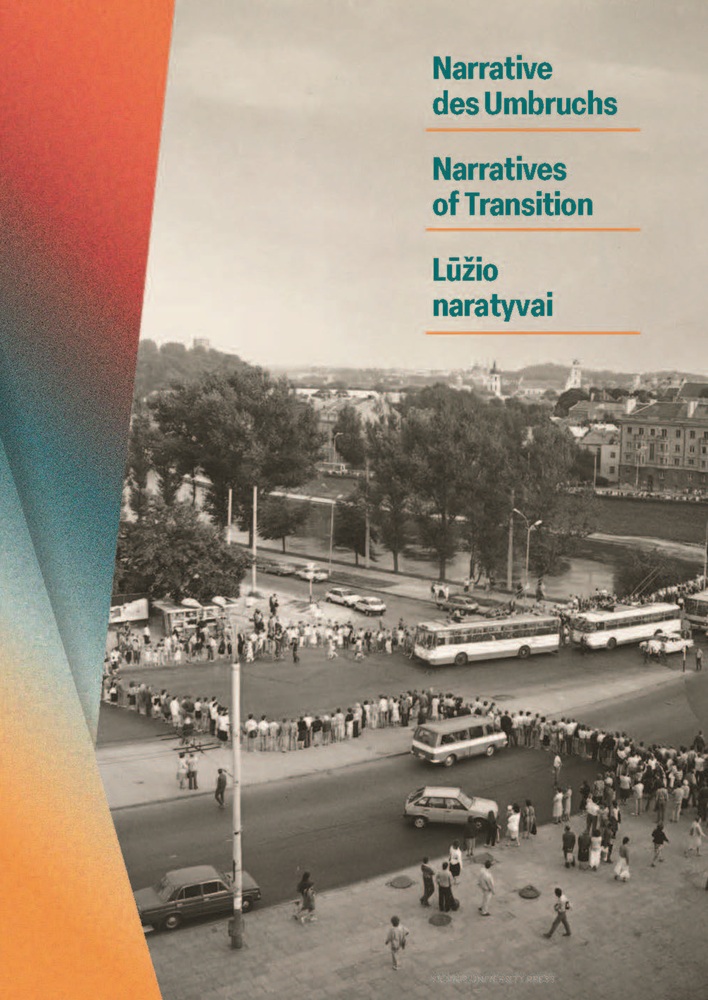
Der Beitrag stellt anhand der Romane dreier deutscher und eines ungarischen Autors die Reaktionen auf den Umbruch seit 1989/90 in Ostdeutschland vor. Ausgehend von sozialpsychologischen Beobachtungen Kurt Drawerts gelangen ‚veränderungsaverse‘ Figuren bei Ingo Schulze und Lutz Seiler sowie László Krasznahorkai in den Blick. In einem ersten Schritt werden Begriff und Figur des Partisanen als Katalysatoren bzw. Reaktionen auf gesellschaftlichen Wandel im Rückgriff auf einen Aufsatz Herfried Münklers (1990) in Verbindung mit Roman Schnurs „Theorie des Bürgerkriegs“ (1983) bestimmt, wichtige Beiträge für die Übertragung dieser Perspektive in den Kontext von Revolution und Transformation kommen von Krastev & Holmes (2019), Andreas Reckwitz (2024) und Hans-Jürgen Schings (2024). Danach werden die in den Romanen ausgebreiteten Poetiken der Transformation mit Fokus auf Unbehagen und Radikalisierung ihres Personals gelesen – zunächst Drawert (Dresden, die zweite Zeit, 2021) und Seiler (Kruso, Stern 111 – 2014, 2020), anschließend Schulze (Die rechtschaffenen Mörder, 2020) und Krasznahorkai (Herscht 07769, 2022). Den hier gespiegelten Erfahrungen des Verlustes und der enttäuschten Erwartungen korrespondieren Phänomene des Backslidings und des Populismus auf gesellschaftlicher Ebene. In Fazit und Ausblick wird anhand weiterer Beispiele aus der Region auf die Bedeutung verwiesen, die Literatur und Kunst für gesellschaftliche politische Diskurse (noch immer) haben können.

Šis darbas apsaugotas Creative Commons priskyrimo 4.0 viešąja licencija.