
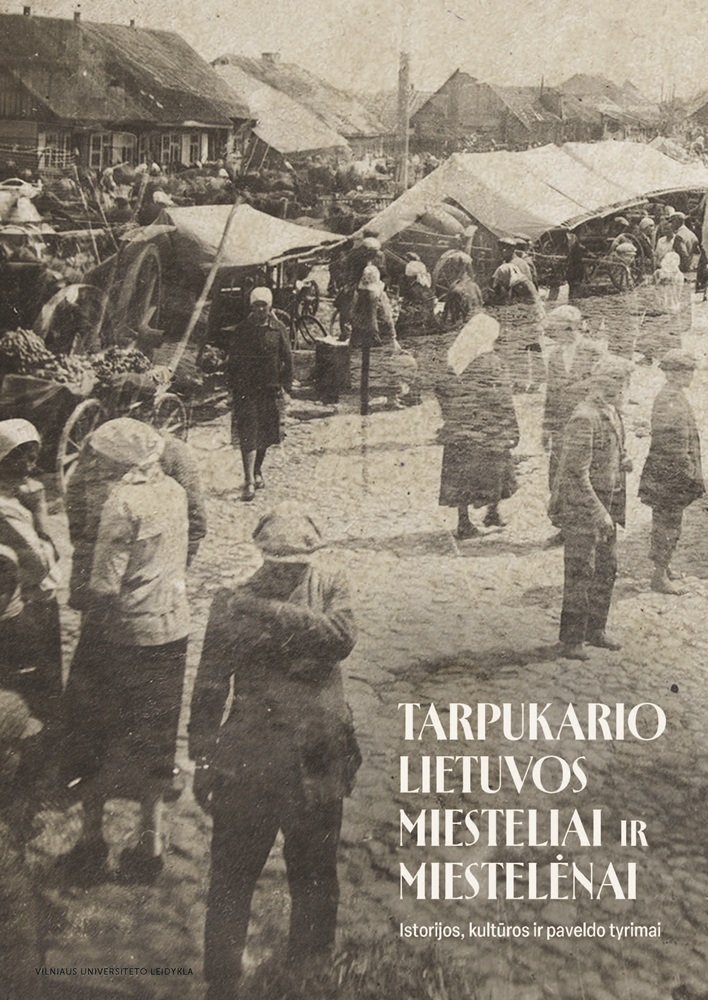
On the grounds of the legislation in force in 1918–1940, and decrees passed by municipality and county administrators, this article reveals how the public space and time were being regulated in small Lithuanian towns. In this particular case, the regulation of space is closely related with trade, i.e., with the regulation imposed on the market square and surrounding streets, activities within this space, the general order and sanitary requirements. The laws established the minimal distance from outlets selling/ serving alcohol to houses of prayer, cemeteries, schools and government institutions. This regulation testifies that there was an ambition to modernize the structure of small(er) towns and ‘upgrade’ the habits of their residents. The regulation of time was primarily in line with public and religious holidays. These holidays determined the opening hours of shops, inns and workshops, trade hours in the market along with other aspects of public life. Meanwhile, the local governing bodies were dealing with everyday life issues by setting up the quiet hours, trade, transport movement and street cleaning patterns. Legal regulation allows, at least partly, to reveal the subtleties of the everyday routine and to experience the rhythm of a small town.

This work is licensed under a Creative Commons Attribution 4.0 International License.