
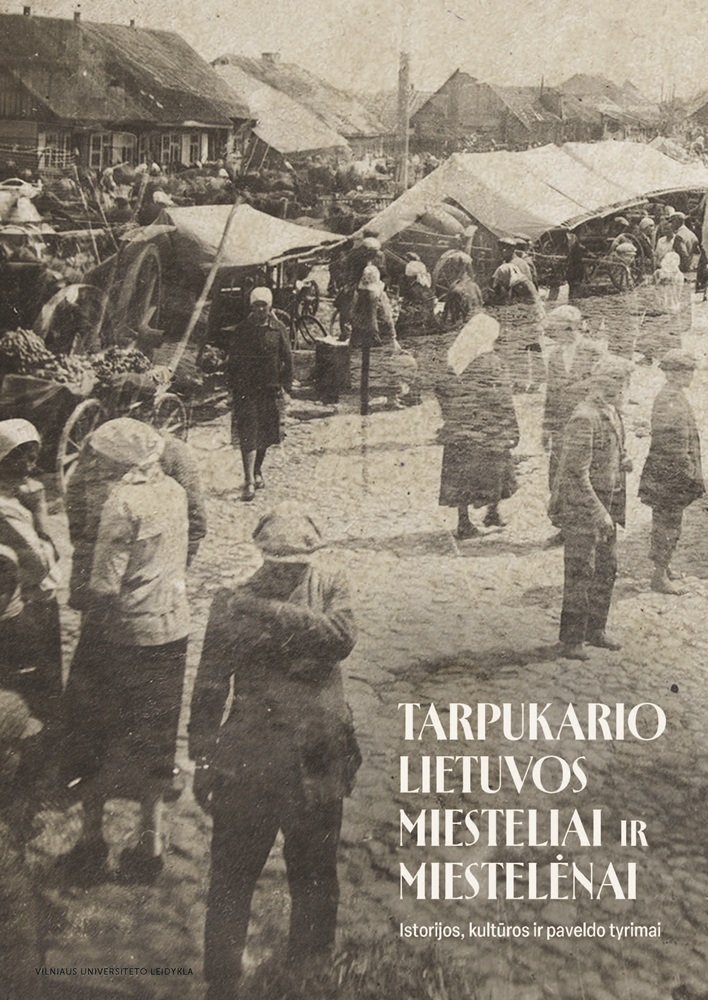
The First Republic of Lithuania underwent a dynamic period of changes, and the setting up of a public healthcare system and implementation of its activity was a major challenge requiring not only organizational but also financial resources. The underdeveloped network of hospitals, lack of medicine personnel, along with the interconnected problem of the accessibility to qualified provision of professional healthcare services created conditions and spaces for illegal medical practices to spring out. However, these services did not grow up ‘on plain field’ because, as early as prior to the declaration of independence, charlatan and self-treatment traditions had already existed. The article discusses the extent of charlatan practices and forms of their manifestation. Attention is devoted to revealing the features of the social portrait of charlatan ‘professionals’. Union of unpublished documentary materials, publications in the regular mass media and analysis of accumulated knowledge in historiography allowed at least partial reconstruction of the contexts and circumstances of proliferation of illegal medical practices.

This work is licensed under a Creative Commons Attribution 4.0 International License.