Plädoyer: Schengen ist europäischer Wert an sich und wird sich, je nach Situation, neu erfinden!

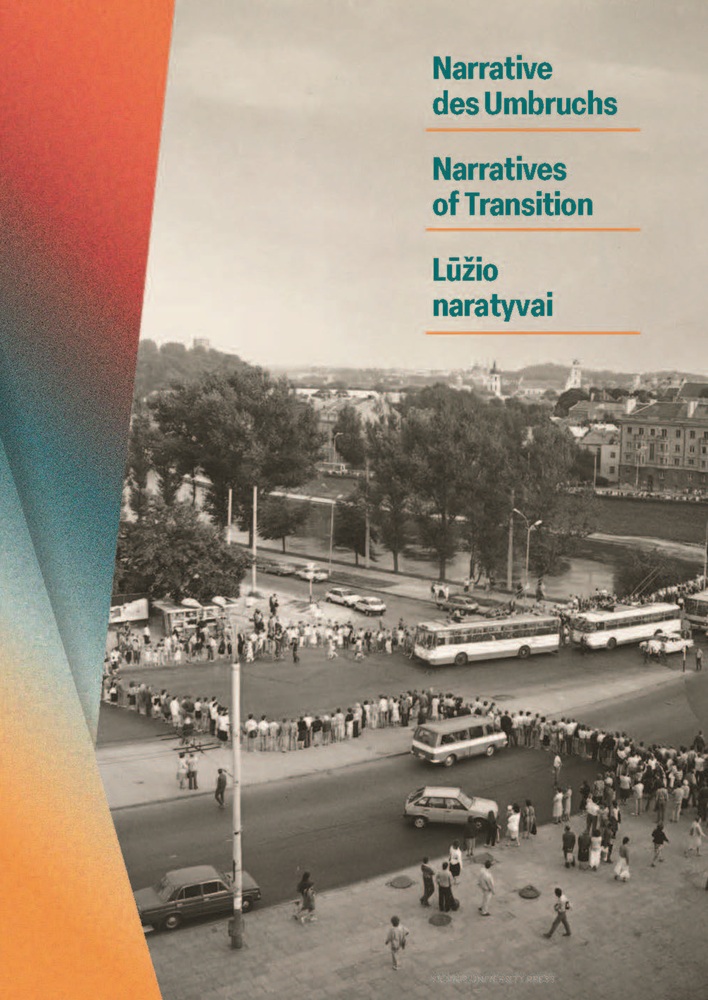
Der Essay skizziert, ausgehend von den deutsch-deutschen, deutsch-österreichischen und litauischen Erfahrungen beim Abbau der Grenzkontrollen, die Meilensteine dieser in der Geschichte der europäischen Integration beispiellosen Kompetenzübertragung im Schengen-Prozess, sowie dessen wichtigste Effekte für die Transformation der Grenzkontrollen, Regelungsbereiche und Neuerungen in den Beitrittsländern. Denn das mit dem europäischen Grundrecht auf Freizügigkeit verbundene große, auf 1989/90 zurückreichende Narrativ „Aufhebung der Grenzkontrollen“ bzw. „freies REISEN“ war und ist durch wirklich wirksame Ausgleichsmaßnahmen abzusichern. Angesprochen werden daher auch die inneren und äußeren Herausforderungen insbesondere durch die Flüchtlingsbewegungen seit 2015, um mit einem Ausblick auf die Zukunft des Schengen-Abkommens zu schließen.

Šis darbas apsaugotas Creative Commons priskyrimo 4.0 viešąja licencija.