Populismus Ost und West – die politischen Ökonomien des Protests in Europa

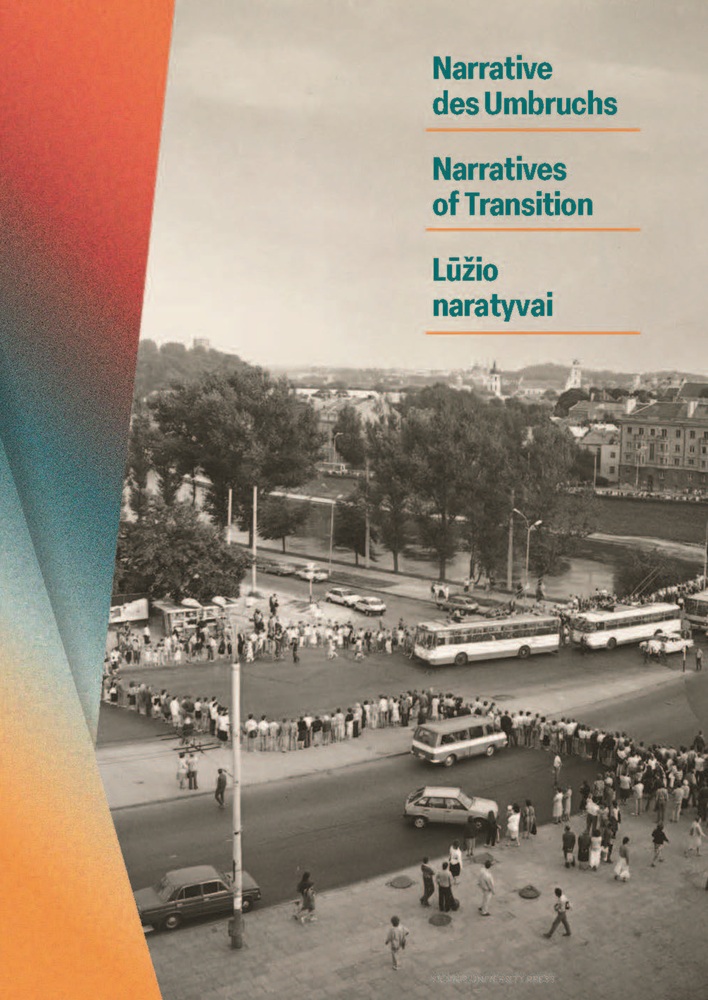
Populismus gilt als eine Ursache für die Krise der Demokratie. Aber Populismus selbst lässt sich auch verstehen als eine politische Reaktion auf krisenhafte gesellschaftliche Umbrüche, sei es nun die Weltfinanzkrise 2008 ff., die Migrationskrise 2015 ff. oder die eher schleichenden Krise der Repräsentation durch einen gegenwärtig erneuten „Strukturwandel der Öffentlichkeit“ – das heißt durch die radikale Medienrevolution, die wir momentan durchleben. Der populistische Protest in den Transformationsländern von Ost-/ Mitteleuropa hingegen ist wesentlich eine Reaktion auf die enormen gesellschaftlichen und wirtschaftlichen Verwerfungen nach 1989/90. Der Beitrag beleuchtet, welche politische Gestalt dieser populistische Protest im ‚Osten‘ Deutschlands im Gegensatz zum ‚Westen‘ genommen hat und überlegt, inwiefern diese Entwicklung als „Vorschein“ für die gesamtdeutsche Situation zu betrachten wäre.

Šis darbas apsaugotas Creative Commons priskyrimo 4.0 viešąja licencija.