
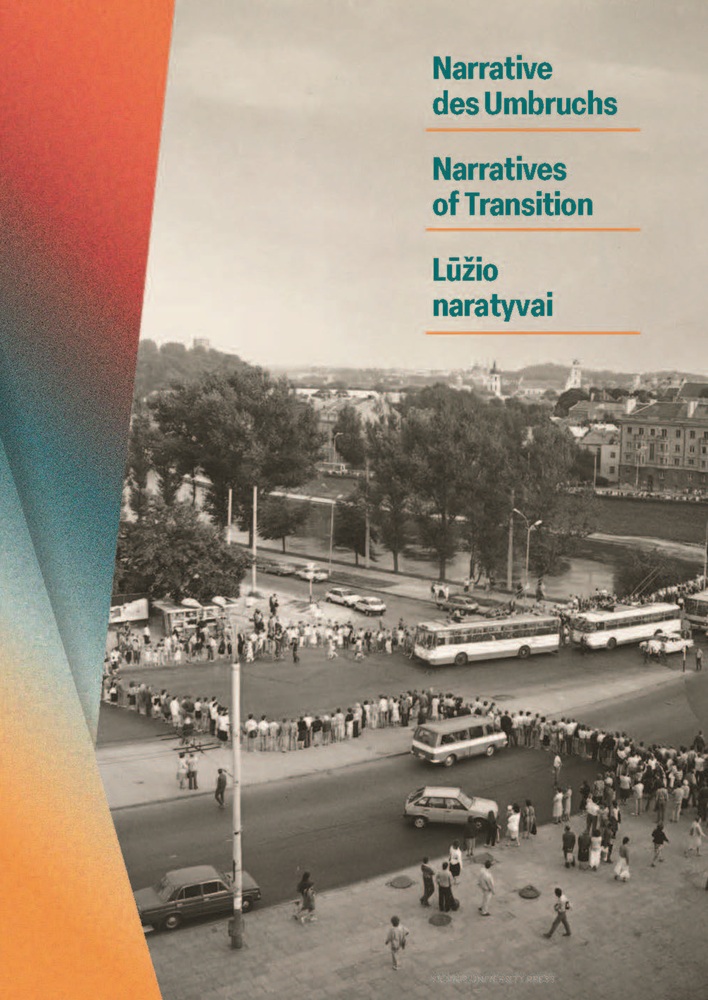
In Central and Eastern Europe, the National Socialist and Communist dictatorships have often been equated as ‘totalitarian’ regimes memory politics from 1989-91 onwards. While the cooperation with the Nazi occupiers in the Second World War have been was largely (though by no means universally) ignored or even glorified, many post-Soviet governments have endorsed and disseminated nationalist memory narratives. By contrast, Vladimir Putin has justified the Molotov-Ribbentrop Pact of 23 August 1989 and the ensuing occupation of East-Central European states as defensive security measures. As opposed to the post-Soviet and nationalist narratives, memory politics in Western and Central Europe (as well as in the United States) has highlighted the mass murder of the Jews since the 1990s. The article outlines these tensions, which prevent a common European culture of remembrance from emerging in the foreseeable future.

This work is licensed under a Creative Commons Attribution 4.0 International License.